
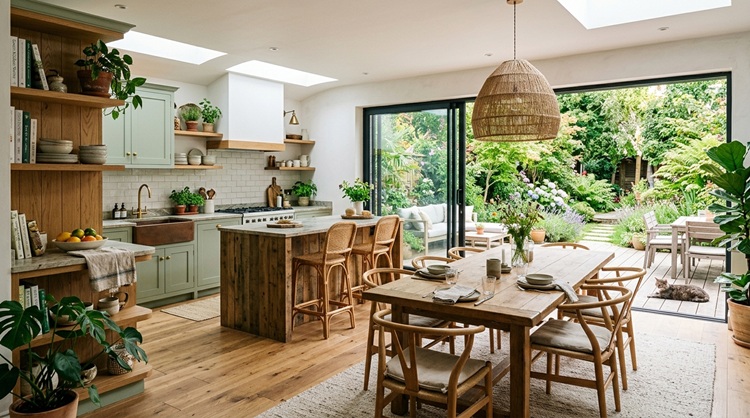
Choosing sustainable kitchens is becoming a priority for homeowners who want a beautiful, practical space that reflects a responsible approach to renovation. A well-designed kitchen can reduce waste, make better use of energy and water, and remain attractive for many years. The most effective choices combine quality materials, careful planning and enduring design, rather than relying on short-lived trends or surface-level eco claims.
Start With Longevity
The most sustainable kitchen is one that does not need to be replaced after a few years. Longevity begins with good design, sound construction and materials chosen for their ability to cope with daily life.
Cabinetry should feel solid, drawers should run smoothly and surfaces should withstand heat, spills and frequent use. A layout that suits the household also matters. If the kitchen functions naturally, there is less chance that major changes will be needed later.
Timeless design supports this approach. Neutral tones, natural timber, balanced proportions and understated detailing can adapt as tastes change. Smaller features, such as handles, lighting and paint colours, can be refreshed without removing the core kitchen.
Choose Materials With Care
Material choice has a major influence on the environmental impact of a kitchen. Natural timber remains popular because it brings warmth, texture and character, but its source should be considered carefully. Responsibly sourced wood, durable veneers and well-made timber cabinetry can offer lasting performance while supporting better forestry practices.
Recycled and recyclable materials can also play a part. Some worktops include recycled glass or reclaimed stone, while metal handles, sinks and fittings can often be recycled at the end of their useful life.
It is also sensible to ask how finishes are produced. Low-VOC paints and water-based lacquers can help reduce harmful emissions within the home. Durable finishes reduce the need for repeated sanding, repainting or replacement.
Make Better Use of Existing Space
A larger kitchen is not always a better kitchen. Thoughtful planning can transform an existing footprint without the waste and expense of a major structural alteration.
Well-positioned cabinetry, full-height storage and fitted drawers can make awkward areas useful. Corners, alcoves and narrow spaces can become practical storage rather than remain unused. An island or peninsula may provide preparation space, seating and storage, but only when it supports the natural movement of the room.
The best layouts reduce unnecessary steps between the sink, hob, fridge and preparation areas. They also allow more than one person to use the kitchen comfortably. This creates a room that feels calm, uncluttered and easy to live with.
Select Energy-Efficient Appliances
Appliances account for a significant share of household energy use, so efficiency should be part of the design process.
An induction hob can offer fast, responsive cooking while using energy efficiently. Modern ovens with accurate temperature control can reduce wasted heat, and dishwashers with eco programmes can use less water than handwashing a full load.
Fridges and freezers should be selected according to the household. An oversized appliance may consume more energy than necessary, while one that is too small can lead to inefficient use and food waste.
Placement also matters. Refrigeration should not sit directly beside a heat source, and ventilation should be planned properly so appliances can operate as intended.
Reduce Water Use
Simple choices can make a meaningful difference to water consumption. Aerated taps mix air with the flow, reducing water use while maintaining good pressure. Boiling-water taps can help by dispensing only the amount required, rather than encouraging a full kettle to be boiled repeatedly.
A dishwasher with an efficient eco setting is another useful addition. Good storage near the sink and dishwasher can make loading and unloading easier, helping the household use the appliance efficiently.
Leaks waste water and can damage cabinetry, flooring and walls, so reliable fittings and professional installation are essential. Accessible pipework and shut-off valves can make future maintenance easier.
Plan for Waste and Recycling
A sustainable kitchen should make responsible habits feel simple. Integrated recycling bins can separate general waste, paper, glass and food waste without disrupting the room’s appearance.
Storage should be positioned where waste is created. Food waste bins work well close to preparation areas, while recycling can sit near the sink or dishwasher. A clearly planned system is easier to use and less likely to become untidy.
Space for reusable bags, refillable containers and cleaning products can also support a lower-waste household. These details influence everyday behaviour more than decorative eco features.
Reuse What You Can
Not every element of an old kitchen needs to be discarded. Appliances that remain efficient and reliable may be suitable for reuse. Solid timber furniture can sometimes be refinished, while stone worktops may be repurposed in a utility room, pantry or outdoor kitchen.
Good-quality handles, sinks or shelving can also find a place elsewhere in the home. When materials cannot be reused on site, responsible contractors may be able to separate timber, metal, glass and rubble for recycling.
A careful strip-out can recover more than a rushed demolition. Planning this stage early gives homeowners time to decide what can be retained, donated, sold or recycled.
Work With a Designer Who Thinks Long Term
A knowledgeable kitchen designer can help balance aesthetics, function and environmental responsibility. They can advise on durable materials, efficient appliances, responsible suppliers and layouts that will remain practical as the household changes.
The design process should also consider maintenance. Easy access to appliances, replaceable components and repairable cabinetry can extend the life of the kitchen. Detailed 3D plans and visual tools can help homeowners review choices before manufacturing begins, reducing costly changes once work is under way.
A greener kitchen should still feel personal, elegant and enjoyable to use. Thoughtful design allows sustainability to sit naturally within the room, expressed through craftsmanship, material quality and a layout shaped around everyday life. Homeowners looking for a tailored approach can explore the work of Kemp Kitchens, whose bespoke designs place lasting quality, careful planning and refined detail at the centre of each project.